
Interior design website: 7 things that win trust and calls
What should an interior design or renovation website include? 7 sections: real projects, process, price ranges, materials, workshop, reviews and a site visit form.
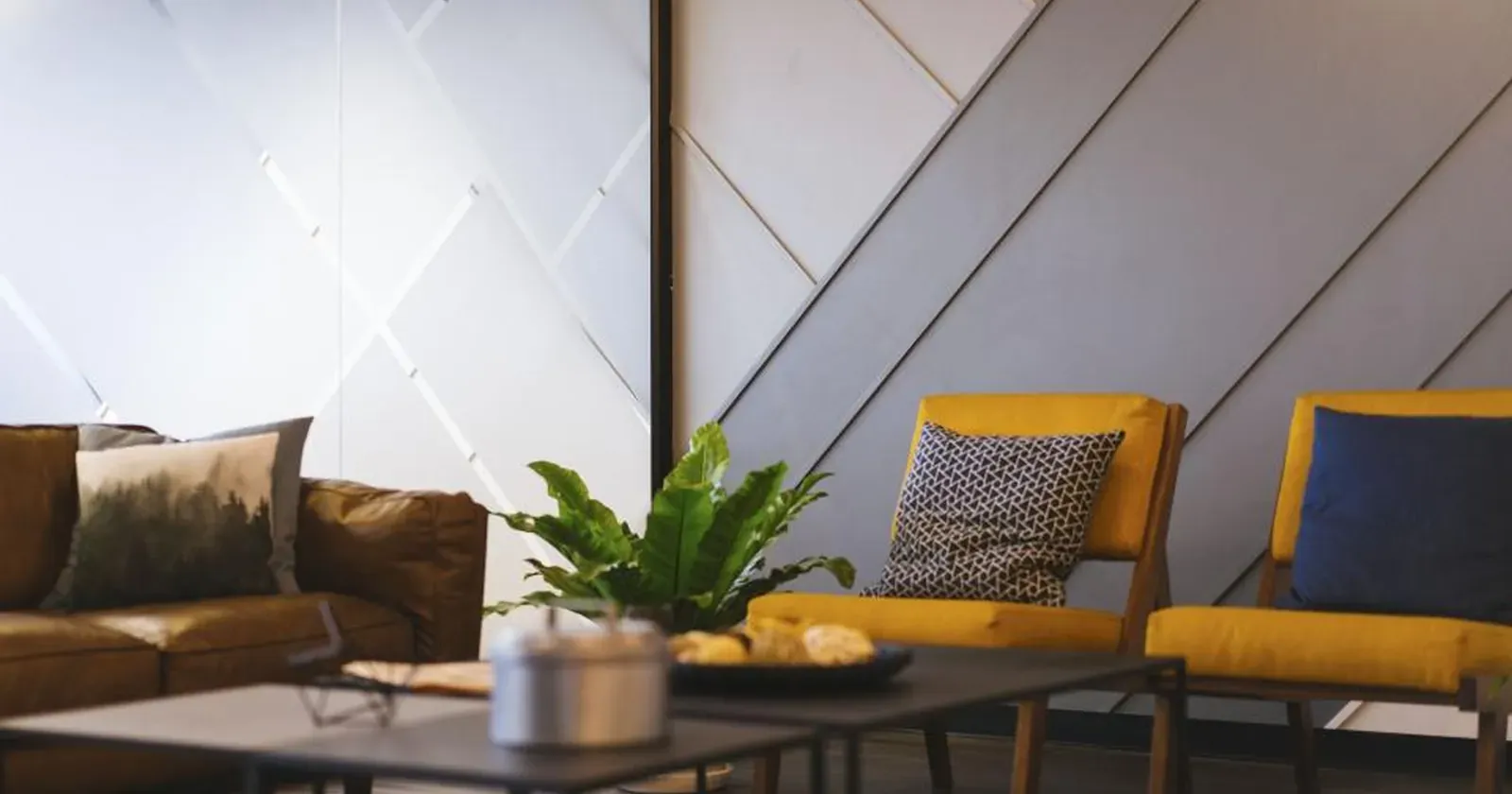
People looking for an interior designer or a renovation team check very carefully before they call: what past projects look like, roughly how much it costs, whether you finish on time. A good interior design website answers those questions up front, so the first call already comes from someone who is truly interested. This post lists 7 sections to include, for custom furniture workshops, design-and-build firms, renovation crews and furniture stores.
Quick summary, 7 things an interior design website needs:
- Real projects, with before and after
- Services and how you work
- Clear price ranges
- Materials and finishes
- Workshop, team and warranty
- Client reviews
- Site visit form, call button and map
1. Real projects, with before and after
In interiors, project photos are your strongest sales tool. Clients want to see how a home like theirs turned out.
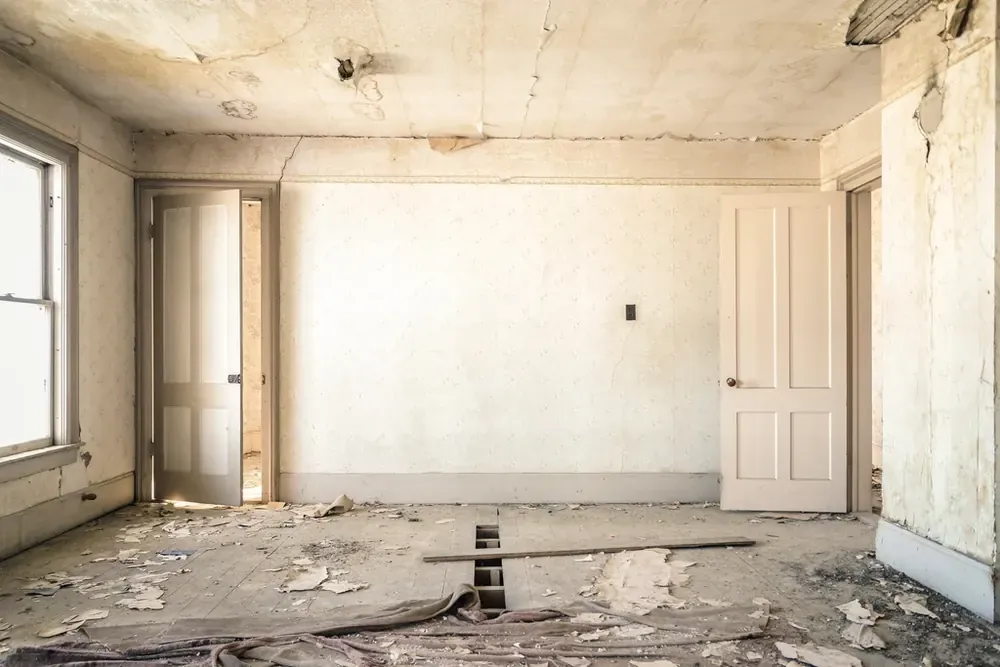 A “before” photo helps clients see how much you changed the room. Photo: rawpixel (CC0).
- Group projects by type: apartments, houses, villas, offices, cafés; or by room: living room, kitchen, bedroom.
- Each project gets before, during and after photos, the floor area, the location and how long it took.
- Add a sentence or two about what the client needed and how you solved it, for example “a narrow 3.5 m wide house that needed lots of storage”.
- Prefer real photos of your work, even phone photos, over beautiful 3D renders of projects that were never built.
If you are new to taking photos, see how to take product photos with your phone; the tips on light and angles work for project photos too.
2. Services and how you work
Clients often don’t know where to start. A clear page about your services and process puts them at ease.
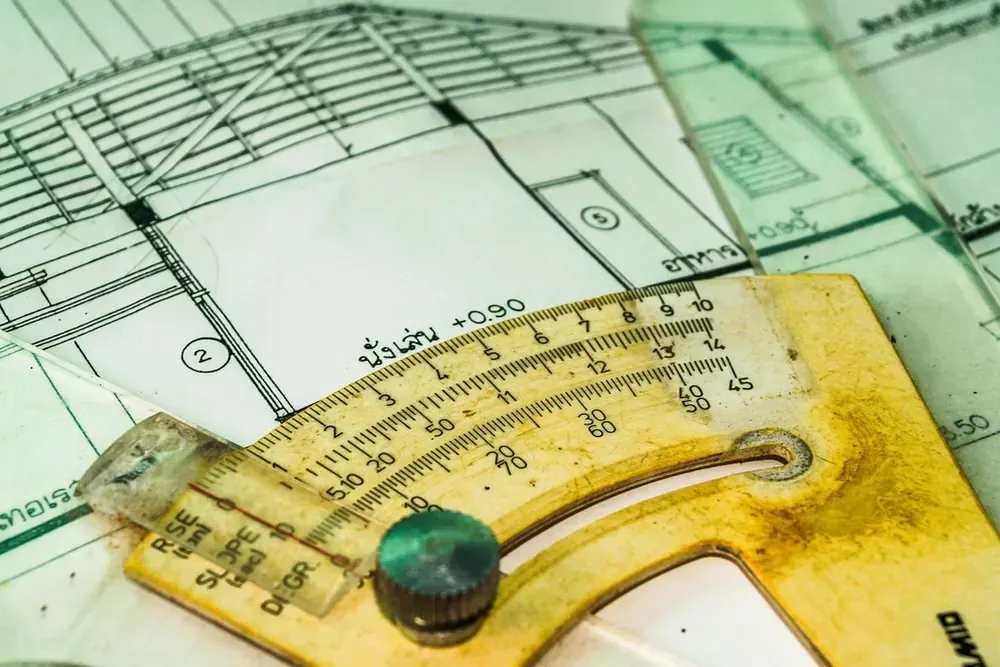 Showing the drawing and quote step helps clients understand why a site visit comes first. Photo: rawpixel (CC0).
- Services: design, full design and build, custom joinery, repairs and remodelling, furniture supply only.
- Your process step by step, for example: site visit → concept and quote → contract → production in the workshop → installation → handover and warranty.
- For each step, note the expected time and what the client needs to prepare.
3. Clear price ranges
The first question most clients have is “how much will it cost”. With no price at all, many people close the page and look elsewhere. You don’t need an exact quote, just reference price ranges:
- Per square meter or square foot: design, or full design and build for an apartment or house.
- Per item: kitchen cabinets per linear meter or foot, wardrobes per square meter, beds, TV units.
- Per package: basic, standard, premium, stating clearly which materials differ.
Add a line “exact quote after a site visit” and what the price includes (delivery, installation, warranty). When clients see this clearly, the first call has less haggling and fewer misunderstandings.
4. Materials and finishes
The same kitchen can cost several times more depending on the materials. A materials section helps clients understand why prices differ and choose for their budget.
- The woods and boards you use: solid wood, plywood, MDF, melamine, laminate, acrylic. One sentence each: where it fits, pros and cons.
- Colours and surfaces with real photos of board samples, countertops and handles.
- Hardware: hinges, drawer runners, lighting, worktops.
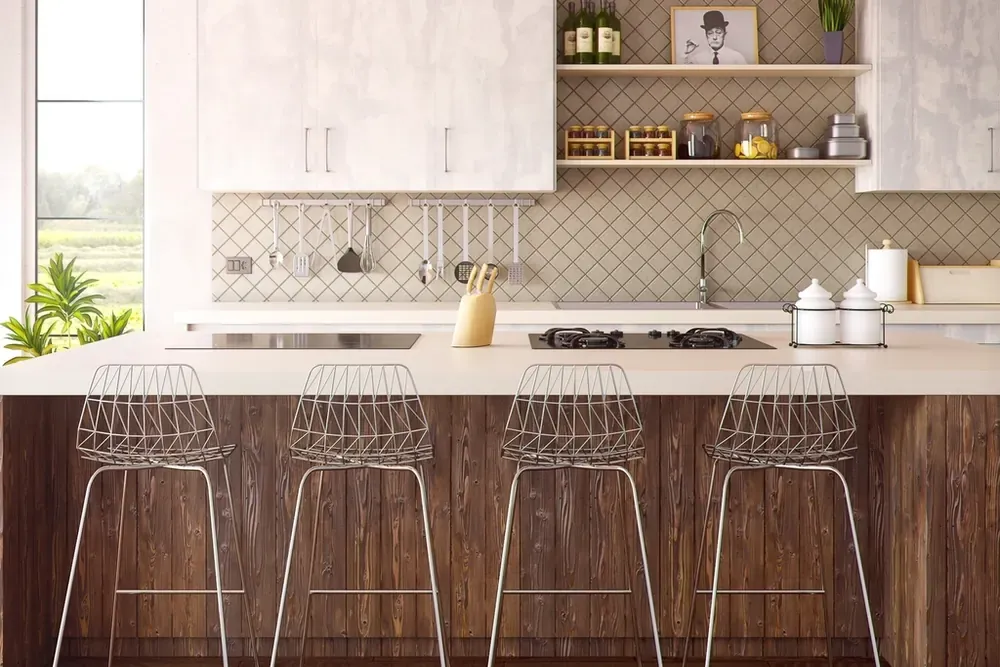 A photo of a finished kitchen helps clients picture how the materials work together. Photo: rawpixel (CC0).
5. Workshop, team and warranty
What clients fear most is a job left half done, delays, or nobody to fix problems later. Show them that you are real and here for the long term.
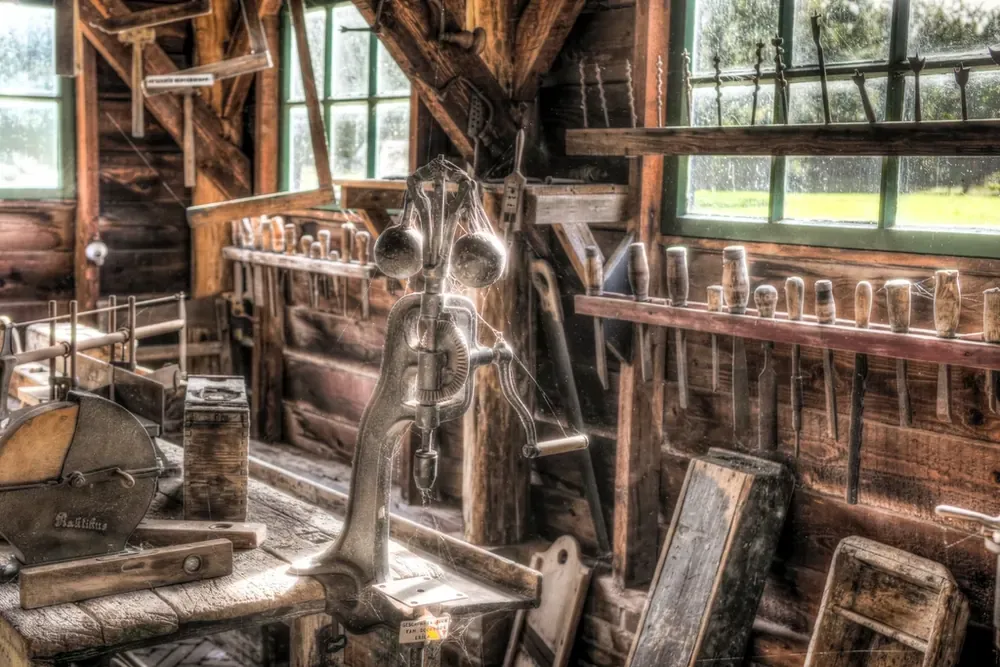 Photos of your real workshop show clients where and by whom their furniture is made. Photo: rawpixel (CC0).
- Photos of your workshop, machines, material storage and the team at work (shot from behind or from a distance if they prefer not to show their faces).
- Years of experience and number of projects completed (real numbers only).
- A clear warranty policy: how long, what it covers, how to get in touch.
- Business registration or licence, and the address of your workshop or showroom.
6. Client reviews
A compliment from someone who lives in a home you built carries more weight than any advert.
- Post 3–6 reviews with a name (or initials), the type of project and the area.
- Place each review right under the matching project when you can.
- Link to your reviews on Google Maps. See how to add your business to Google Maps so clients can find you and leave reviews.
7. Site visit form, call button and map
Finally, make it as easy as possible for clients to get in touch:
- A site visit form: name, phone number, project address, type of home, floor area, expected budget, preferred visit date. Requests go straight to your email, WhatsApp or Google Sheets.
- A call button and a chat button always visible on phones.
- Your showroom or workshop address, opening hours, a map and the areas you cover.
According to Google’s guide for business profiles, complete and accurate information helps a business show up when people search nearby. Keep your website and your Google Maps profile consistent: same name, address and phone number.
No interior design website yet? See how to create a free website, or pick a design from the free website template library, change the name, project photos and prices, and go live in about 5 minutes.
Templates in this article

Frequently asked questions
Should an interior design website show prices?
Show price ranges, for example per square meter or square foot, or per package (living room, kitchen, bedroom), with the line "exact quote after a site visit". Clients who see a range know whether you fit their budget before they call, and you get fewer calls that only ask about price.
What if I don't have great project photos yet?
Start with phone photos of your 3–5 most recent projects, shot in daylight with enough light, plus a few photos taken during the work. Real photos of your own work are more convincing than stock images.
Can an interior design website help clients find me on Google?
It can, if each page has enough text that clearly describes the service and the area, for example "apartment renovation in Austin". Combined with a Google Maps profile, it helps nearby clients find you more easily.
Should I take requests through a form or by phone?
Both. A call button and a chat button for people in a hurry, and a site visit form for clients who want to send the floor area, budget and photos of the space first. The form lets you prepare before you go.
Related articles

Wedding dress rental website: collection and fittings
A wedding dress rental website lets brides browse by code, see rental prices and deposits, and book a fitting themselves. 7 things it needs, built free.

Karaoke bar website: take room bookings online, clear prices
A karaoke bar website shows your rooms and hourly prices by time band, and lets groups book with a live estimate. 7 things it needs, built free.

Vet clinic website: 7 sections that win pet owners' trust
A vet clinic website needs an emergency number, prices by dog, cat and weight, a vaccine schedule from birth date and online booking. Build it free.