
Pickleball club website: 7 things it needs
A pickleball club website needs hourly court prices, online booking with live totals, memberships, open play and lessons. 7 parts and how to build it free.
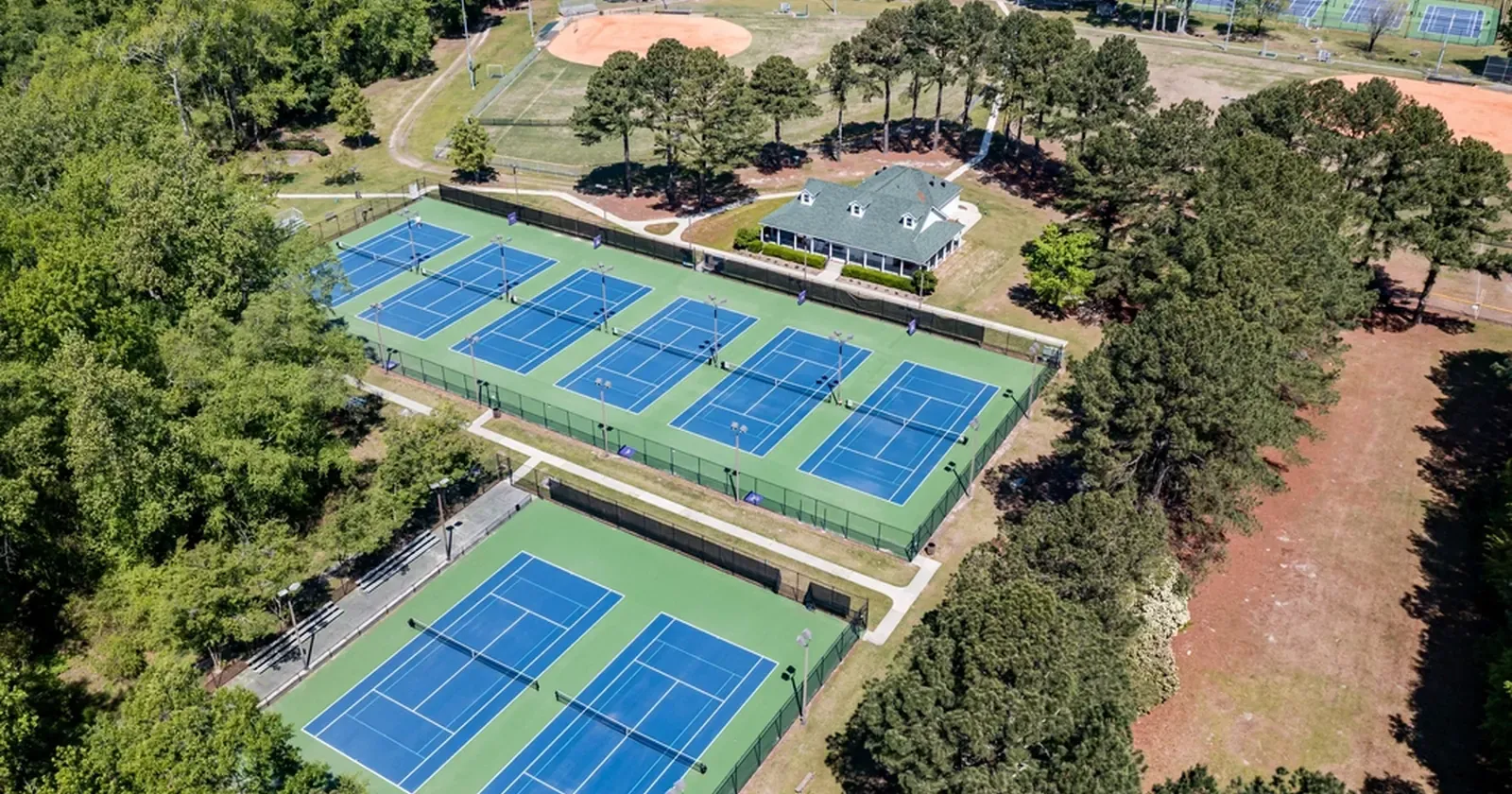
Pickleball is growing fast: new courts keep opening and plenty of long-time tennis players are picking up a paddle too. New players usually search “pickleball courts near me”, then message to ask about prices, open slots and whether they can borrow a paddle. A pickleball club website answers those questions up front and takes bookings for you. This guide covers what a pickleball club website, or a club with both tennis and pickleball, should include to bring in new players and keep members coming back.
In short, a pickleball club website needs 7 parts:
- Time-band prices for each court type
- Online booking with live totals
- Monthly membership plans
- Open play for people who come alone
- Lessons and coaches
- Courts, rentals and facilities
- Opening hours, map and FAQ
1. Time-band prices for each court type
Price is always the first question. Put a price table by time band at the top of the page, one column per court type:
- Off-peak: early morning to mid-afternoon, the lowest rate.
- Peak: usually 4–10 pm on weekdays, when courts are busiest.
- Weekend: one rate for Saturday and Sunday.
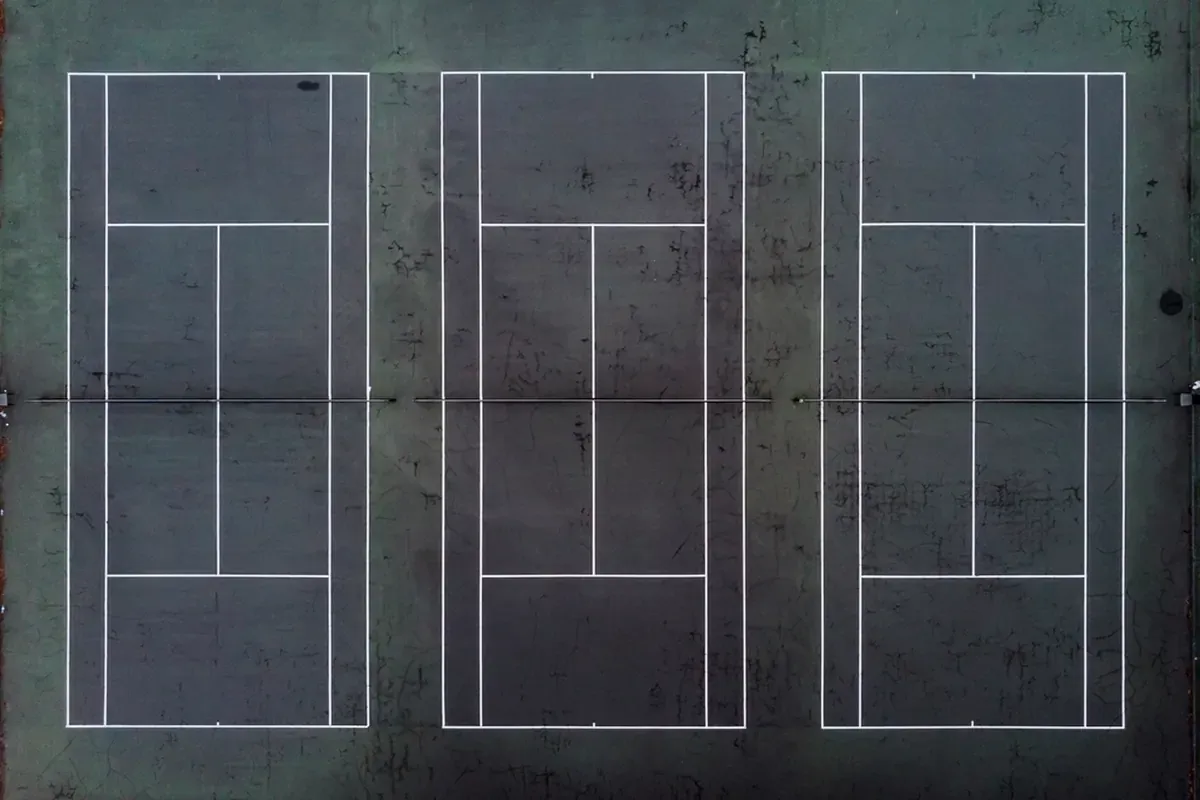 One price column per court type: pickleball, hard-court tennis, clay. Photo: rawpixel (CC0).
If you run both sports, keep prices separate. A pickleball court is only about 20 × 44 ft, far smaller than a tennis court, so the hourly rate is usually lower. Add whether lights are included and the minimum booking, for example “from 1 hour, in 30-minute steps”.
2. Online booking with live totals
This is the part that saves you the most messages. The booking form should let players:
- Pick the court type, date, start time and length.
- See a total that follows the time bands. Booking 3:30–5 pm means 30 minutes at off-peak and 1 hour at peak.
- Add extras: paddle or racket hire, a new can of balls, a ball machine, a coach for an hour.
- Tick book the same slot every week for regular groups and choose the number of weeks.
When they hit send, the request lands in your WhatsApp or as a row in Google Sheets with the court, time and price. Setting up a form is explained in Google Forms help. If you’d rather run your schedule in a spreadsheet, see court booking with Google Sheets; the same method works for pickleball courts.
3. Monthly membership plans
Pickleball players often play 2–4 times a week. For them a monthly membership is cheaper and easier, and the club gets steady income. Each plan should show:
- Plan name and monthly price, such as Pickleball, Tennis or Family.
- Perks in short lines: court hours per month, how far ahead members can book, discounts on extra time, a personal locker.
- A sign-up button that drops the plan name into the booking form.
 Clear perks for each plan let regular players choose without asking. Photo: rawpixel (CC0).
Mark one plan “Most popular” to make the choice easier, and say whether unused hours roll over to avoid disputes later.
4. Open play for people who come alone
Pickleball is mostly played as doubles. Newcomers often arrive alone and worry there’s nobody to play with. An open play section solves that:
- Each session lists the days, time, level (new, intermediate, advanced) and price per person.
- One short line on how it works, for example “rotating doubles, paddles available”.
- A join button so the club knows numbers in advance and can set up games.
Open play is the front door for new members. People who enjoy a few sessions sign up for a plan or bring friends to book their own court.
5. Lessons and coaches
Many people want to try pickleball but don’t know the rules or what the “kitchen” (the non-volley zone by the net) is. A 4-session beginner course is enough to get them playing. Each lesson should include:
- Course name, level, schedule (days, time, number of sessions) and course price.
- The coach’s name: learners trust a lesson more when they know who teaches it.
- Private 1-to-1 sessions for fast progress, and kids’ classes if you run them.
 Beginner lessons are the quickest way to turn curious visitors into members. Photo: rawpixel (CC0).
If you also teach tennis, list tennis and pickleball lessons separately so parents and older players pick the right one.
6. Courts, rentals and facilities
Players don’t choose a club on price alone. They want to know about:
- Each court: surface (acrylic, hard court, clay), indoor or outdoor, floodlights or not.
- Rentals: pickleball paddles, tennis rackets, balls, ball machine.
- Facilities: parking, changing rooms, hot showers, a café, a pro shop and restringing.
Use real photos of your courts, by day and at night with the lights on. If you take them yourself, see product photography with your phone; the tips on light and angles work for courts too.
7. Opening hours, map and FAQ
At the bottom, list opening hours, the address, a map and a Directions button. Set up a Google Maps listing so you show up for “pickleball near me”; see how to add your business to Google Maps. Put QR codes for shops linking to the booking page at the front desk and on each court so players book their next game before they leave.
The FAQ should answer: can I play without a paddle, what happens if it rains, is there a fee to change a booking, how is pickleball different from tennis. Every answer written down is a message you no longer have to type.
Build your pickleball club website for free
You don’t need to hire a web developer. See how to create a free website, or open the tennis & pickleball club template in the free website template library: change the club name, prices for each time band, plans, lessons and phone number, and go live in about 5 minutes. The price table, self-pricing booking form, open play and weekly bookings are already built in.
Templates in this article

Frequently asked questions
Does a small club with a few courts need a website?
A group chat works for regulars. New players search "pickleball courts near me" on Google and need a page with prices, open times, how to book and directions. A website answers that for you, even at midnight.
Should tennis and pickleball courts have separate prices?
Yes. A pickleball court is much smaller, so the hourly rate is usually lower. Give each court type its own column of time-band prices so players know which to pick.
How many membership plans should I offer?
Two or three is enough: one for pickleball, one for tennis and one for families or groups. Highlight one plan so people find it easy to choose.
Does the website block the slot so it can't be double-booked?
A simple website doesn't lock slots. Each request reaches your WhatsApp or Google Sheets, you check the schedule and confirm. Say "we confirm within 15 minutes" so players wait calmly.
Related articles
Wedding dress rental website: collection and fittings
A wedding dress rental website lets brides browse by code, see rental prices and deposits, and book a fitting themselves. 7 things it needs, built free.

Karaoke bar website: take room bookings online, clear prices
A karaoke bar website shows your rooms and hourly prices by time band, and lets groups book with a live estimate. 7 things it needs, built free.

Vet clinic website: 7 sections that win pet owners' trust
A vet clinic website needs an emergency number, prices by dog, cat and weight, a vaccine schedule from birth date and online booking. Build it free.