
Why Does a Small Business Need a Website? 7 Reasons
Already on Instagram and WhatsApp? 7 reasons a small business still needs a website, plus the cases where you don't need one yet, so you can decide.

Many small business owners ask: I have Instagram, WhatsApp, customers message me regularly, so why does a small business need a website? The short answer: a website doesn’t replace social media; it does the things social media does poorly. It helps new customers find you, trust you and order even when you’re busy.
In short, here are 7 reasons a small business should have a website:
- Customers search on Google before they buy
- Information stays complete instead of scrolling away
- It builds trust with new customers
- You sell even when you’re closed
- You don’t depend on a single platform
- All your marketing points to one place
- You can reach customers elsewhere, in other languages
Each reason is explained below, and at the end you’ll find when you don’t need a website yet, so you can decide for yourself.
1. Customers search on Google before they buy
Before visiting a new café, ordering a birthday cake or choosing a spa, many people search Google or Google Maps: “bakery near me”, “spa downtown”, “phone repair I can trust”.
Chats and group messages don’t appear on Google. A social page might, but your menu or price list is usually buried among posts. A website with your shop name, address, products and prices gives you another “storefront” right where customers are looking. Also create a free Google Business Profile for your shop and link your website there.
2. Information stays complete instead of scrolling away
On social media, the price list you posted last month is buried under dozens of new posts. Customers who want your prices, hours or address must scroll a long way, or message you and wait.
A website is different: your menu, prices, opening hours, address and how to order stay in the same place. Customers open it and see everything; you change a price once and it’s updated for everyone.
 Social media posts are like flyers on a notice board: new ones go up, old ones get covered. A website is a permanent sign. Photo: Stefanik (CC0).
3. It builds trust with new customers
Regulars already trust you. But a stranger about to pay a deposit for a cake or book a spa treatment looks for signs that your shop is real and serious:
- A real address and map.
- Real photos of products and the shop.
- Clear prices, ordering and refund terms.
- Genuine reviews from past customers.
A clean website with all of this tells customers they’re dealing with a proper shop, not an account that might disappear tomorrow.
4. You sell even when you’re closed
Customers may think about ordering a cake at 11 p.m. or check spa prices during their lunch break, exactly when you can’t reply. If the information is already on your website, they can still choose, see prices and leave an order message.
The next morning you open with orders waiting, instead of a customer who left because nobody answered.
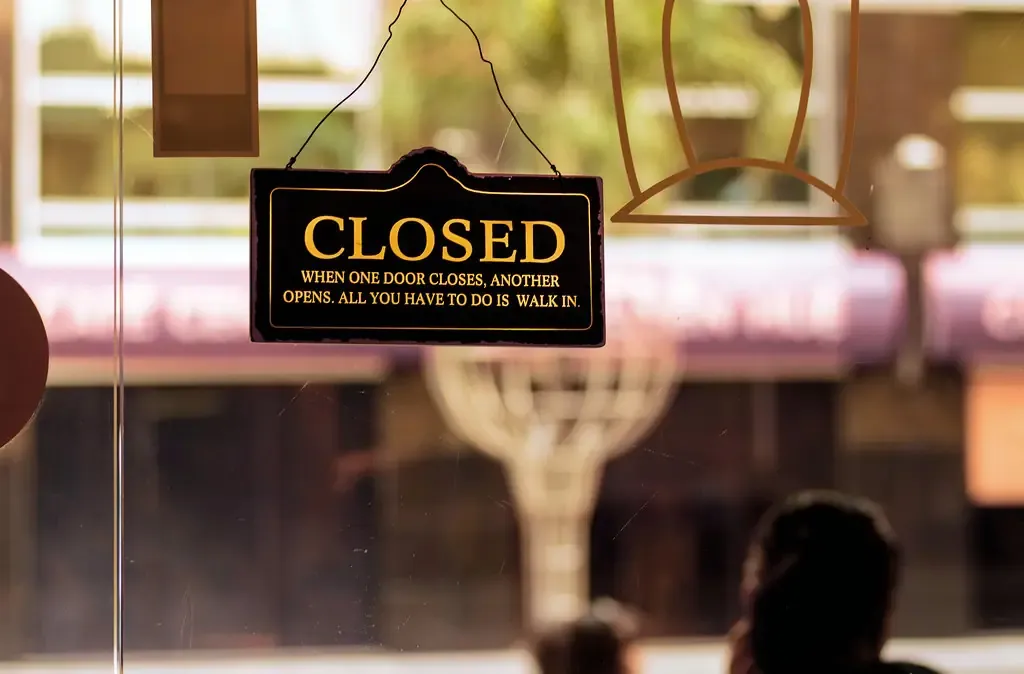 The shop is closed, but the website isn’t: customers can still browse, see prices and leave an order. Photo: exit78 (Public Domain).
5. You don’t depend on a single platform
Social pages, messaging accounts and marketplace stores all belong to the platform. If your account is locked by mistake, you lose admin access, or the platform changes how posts are shown, there’s little you can do.
A website is yours: your address, your content. Keep using social media to attract customers, but keep your original information on your website.
6. All your marketing points to one place
You print QR codes on boxes, add links to your social profiles, run ads, ask customers for referrals. If each channel leads somewhere different, customers get lost and you can’t tell what works.
With a website, every channel leads to one address with complete information and an order button. You can also add tracking tags to links (one for TikTok, one for Instagram) to see where customers come from.
7. You can reach customers elsewhere, in other languages
If your shop is in a tourist area, near an international school, or ships far away, some customers may not read your language. A website with an English version (or Spanish, Japanese…) and prices in their currency helps them understand and order without lots of back-and-forth.
When don’t you need a website yet?
A website isn’t a must for every shop. You might not need one yet if:
- You only sell to a fixed group of regulars and don’t want new customers.
- You’re testing an idea for a few weeks to see if it works.
- You have no time to update it: a website with wrong prices or hours loses customers faster than having none.
If none of these apply, a simple website with your menu, prices, opening hours, address and contact buttons is enough to start.
Start from a free website template
You don’t need to hire a designer or learn to code. The Kingpes free website template library has templates for a café, a bakery, a spa and a phone store, already including a menu or price list, opening hours, a map, and message and call buttons. Pick the one closest to your shop, replace the name, products, prices and photos, and you’ll have a website to link from your social pages, messaging apps and Google Maps.
Just getting started? Read the guide on how to create a free website for your shop in 5 minutes.
Templates in this article


Frequently asked questions
I already have a Facebook or Instagram page. Do I still need a website?
It's best to have both. Social media is for daily posts and conversations; the website is where complete information always lives, where new customers find you on Google and can browse without a social media account.
Is a website expensive for a small shop?
Not necessarily. You can start from a free website template and a free web address. You only pay more if you want your own domain name (for example yourshop.com), billed yearly.
Can I build a website myself if I'm not technical?
Yes, with a ready-made template. You just replace the shop name, products, prices, photos and phone number; the design and mobile layout are already done.
Will customers find my website on their own?
Not automatically. Put the link on your social pages, messaging apps and Google Maps, print a QR code in your shop, and keep the information up to date. The website keeps all those efforts pointing to one place.
Related articles

Car rental business: the website and paperwork you need
Starting a car rental business? Register it, use a rental agreement, insure every car, set deposit and mileage rules, and get a website with daily rates.

Meeting room rental by the hour: take bookings online
Meeting room rental by the hour: list capacity, set time-band prices, take bookings with live totals, weekly bookings, tea breaks and invoices.

How to start a cooking class business with steady bookings
Start a cooking class business from home or your own kitchen: class types, price per person, a weekly timetable, online booking and group deals.