
How to start a cooking class business with steady bookings
Start a cooking class business from home or your own kitchen: class types, price per person, a weekly timetable, online booking and group deals.
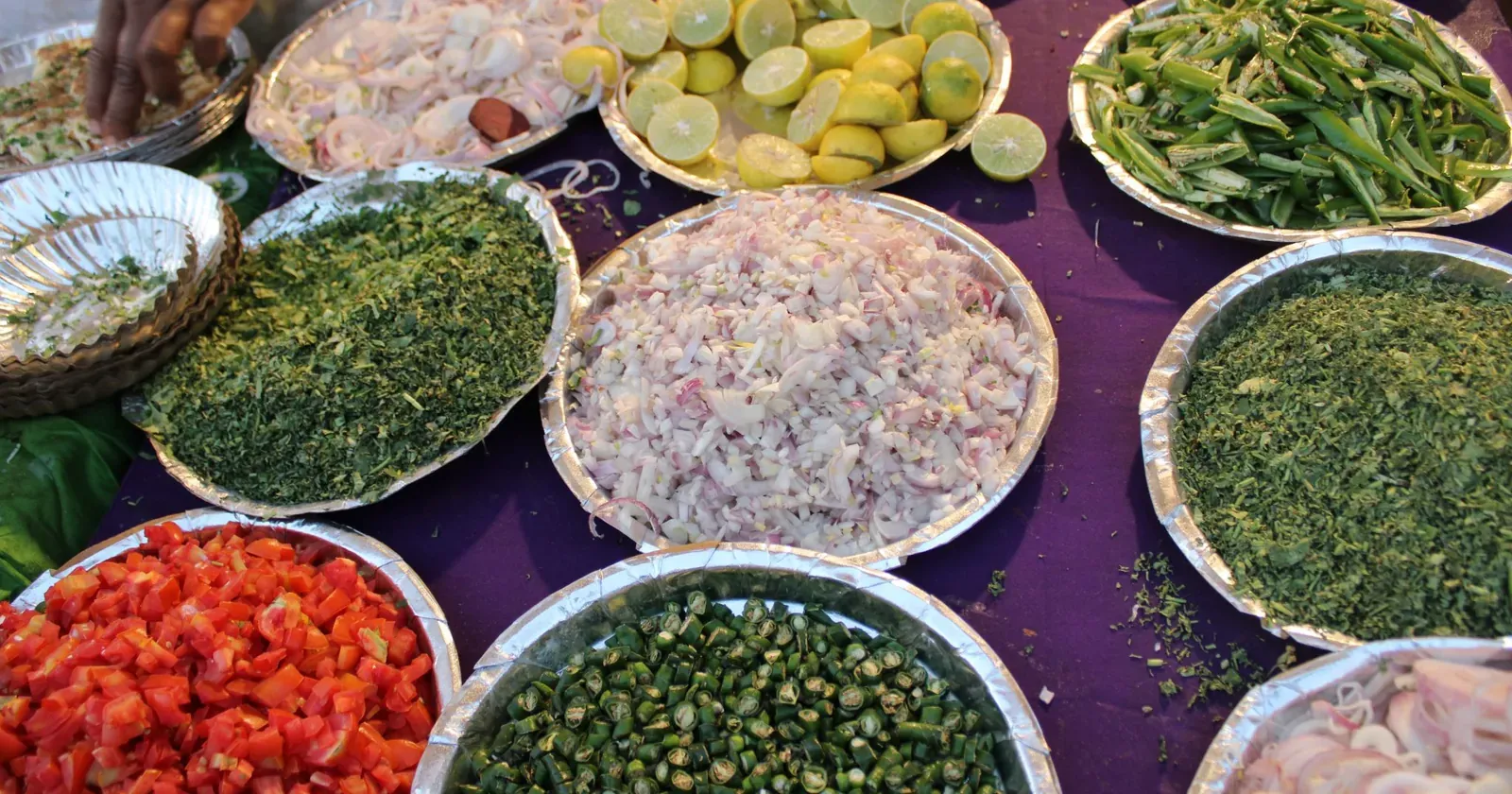
Plenty of people cook well, bake beautifully and want to turn that into income. To start a cooking class business you need very little money, but the hard part is getting students every week without posting to find people each time. This guide covers choosing a class format, pricing, a timetable and online booking so your classes fill up steadily.
Quick summary: to start a cooking class business, do these 7 things:
- Choose a class format and your students
- Price each seat correctly
- Set a fixed weekly timetable
- Take bookings online with a live total
- Add private classes and team building
- Take photos and videos in class
- Get on Google Maps and offer a version for visitors
1. Choose a class format and your students
Before you post a class, answer: who will learn, and why. Each group needs a different format:
- One-off classes of 2 to 4 hours: cook 2 or 3 dishes and eat together. Good for beginners, groups of friends and tourists.
- Multi-week courses: for example a 6-session baking basics course, for people who want to learn properly or sell what they make.
- Kids’ classes with a parent, usually at weekends.
 One-off classes with 2 or 3 dishes are the easiest to sell to beginners. Photo: JESHOOTS.com (CC0).
Give every class a name that says the dishes, such as “Pho and fresh spring rolls”, plus the dish list, length, level and maximum group size. Visitors can tell at once whether it suits them.
2. Price each seat correctly
Price classes per person, covering ingredients, your teaching time, wear on equipment, power and gas, rent if you hire a kitchen, and your profit. A simple method: add up the total cost of one full class and divide by the minimum number of students you will run it for.
Say what the price includes: ingredients, apron, recipes to take home, the meal in class. If there is a market tour, say it is included. Students compare several schools before booking, and a clear price helps them decide faster.
3. Set a fixed weekly timetable
Posting each session on social media takes time and it is easy to miss one. Instead, give each class a fixed weekly slot, for example pho on Saturday and Sunday mornings and bread on Thursday evenings. Students remember it easily and you can plan ingredients easily too.
 A fixed timetable helps students remember the class and keeps your prep routine steady. Photo: Skitter Photo (CC0).
On a website, that fixed timetable can automatically list the sessions for the next few weeks, hiding sessions that have passed. When a session is full, you just mark it “full”; the page shows “Sold out” and stops people choosing it.
4. Take bookings online with a live total
Students often come in groups of 2 to 4. The booking form should let them choose the class, session and number of people, then show an estimated total straight away. If you offer a group discount, for example 10% off for 4 or more, the total deducts it and shows the discount.
 A total based on group size tells students what they will pay before they book. Photo: Agnieszka Bladzik (CC0).
Add a notes box for vegetarian diets or allergies. When they tap send, the request reaches your WhatsApp or becomes a row in Google Sheets; see the Google Forms help guide to build the form. All you do is reply to confirm and explain the deposit.
5. Add private classes and team building
Birthdays, reunions and company team building are large bookings, usually made days ahead. Have a private classes section on the page: the minimum group size, whether guests can choose dishes and times, and whether you issue invoices. A “Book a private class” button that pre-fills the form helps them get in touch quickly.
Private classes also fill the quiet slots in your week, such as Wednesday afternoon or Friday evening, when public classes get fewer sign-ups.
6. Take photos and videos in class
Photos of the dishes and students at the stove convince visitors more than anything else. Shoot finished dishes, hands kneading dough or rolling spring rolls, and the shared meal at the end. Ask students before posting photos that show their faces.
 A photo of the shared meal shows that students eat what they cooked. Photo: Jakub Kapusnak (CC0).
Tips for shooting with a phone are in product photography with your phone. Short videos on TikTok, Instagram and Facebook should link to your website so viewers can tap through to the timetable and book.
7. Get on Google Maps and offer a version for visitors
Many people search “cooking class near me” on their phone. Create a Google Maps profile with the guide to adding your business to Google Maps and add your website link to it.
If you are in a city with lots of tourists, add a second language version of your website with prices in their currency. Market tours and local dishes are very popular with overseas visitors, and they often book before they arrive.
Build your cooking class website for free
You don’t need to hire a developer. See how to create a free website, or open the cooking class template in the free website template library: change the class names, dishes, price per person, weekly timetable, chefs and contact details, and go live in about 5 minutes. Auto-updating session dates, group discounts, private classes and a booking form with a live total are built in, along with a second language version.
Templates in this article

Frequently asked questions
Do I need a lot of money to start cooking classes at home?
Not necessarily. Many classes start in a home kitchen with 4 to 6 students per session and move to a rented kitchen once the timetable fills up. The biggest costs are tools for each student and ingredients for each class.
Should I charge per class or per course?
Single classes are easier to sell to beginners and tourists. Multi-week courses suit people who want to learn properly, such as baking. You can offer both; show the price per person and what it includes.
Can online bookings go over the class size?
A simple website does not hold seats. Each request reaches your WhatsApp or Google Sheets, you check and confirm. Mark full sessions so the page shows "Sold out".
Should I take overseas visitors?
Yes, if you can teach in their language. A market tour plus local dishes is very popular with tourists. Offer a version of your site in their language and currency so they can read and book on their own.
Related articles

Car rental business: the website and paperwork you need
Starting a car rental business? Register it, use a rental agreement, insure every car, set deposit and mileage rules, and get a website with daily rates.
Meeting room rental by the hour: take bookings online
Meeting room rental by the hour: list capacity, set time-band prices, take bookings with live totals, weekly bookings, tea breaks and invoices.

Why Does a Small Business Need a Website? 7 Reasons
Already on Instagram and WhatsApp? 7 reasons a small business still needs a website, plus the cases where you don't need one yet, so you can decide.